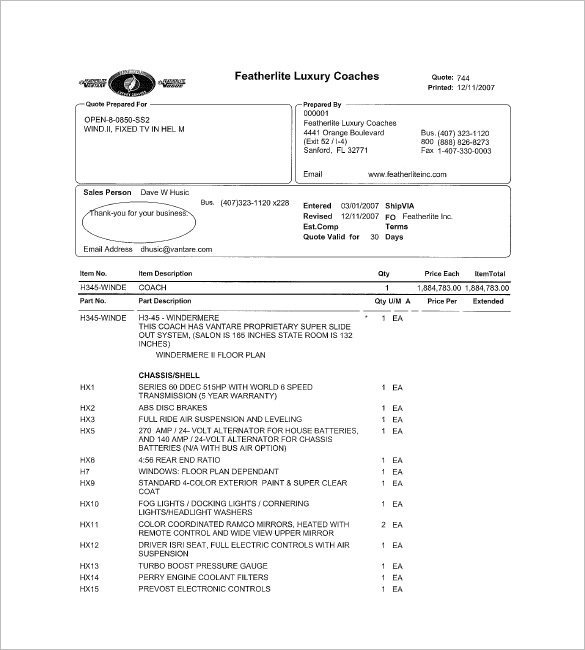
How to Make an Invoice

An invoice is a notice you send to customers or clients to notify them that payment is due for services you have performed. An invoice should outline what services you performed, how much the client owes and where they should send your payment. Learn how to create an invoice template you can use each time you perform a service.

Part-1 Creating a Header
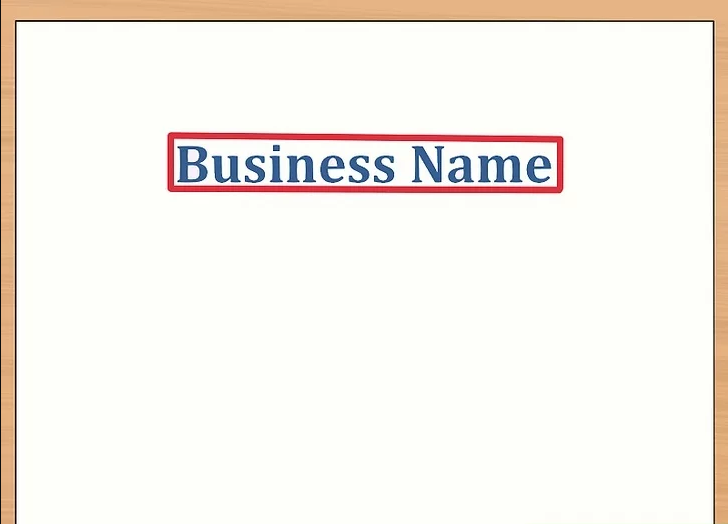
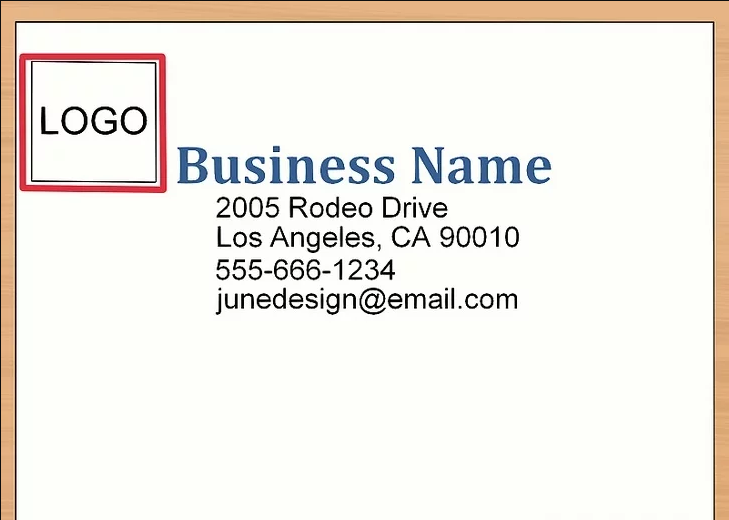
  1. Include your business name. This basic information about your company should appear in professional lettering at the top of the page. If you’re using word processing software, create a new document and select “header” from the drop down menu to create a header; otherwise, simply type your company’s name and center it at the top of the page.[

  • If you don’t have a business name, type your first and last name. You may also include your middle initial if desired.
  • Use Arial, Times New Roman or another professional font for the heading. The font size should be bigger than the size you’ll use for the body of the invoice.
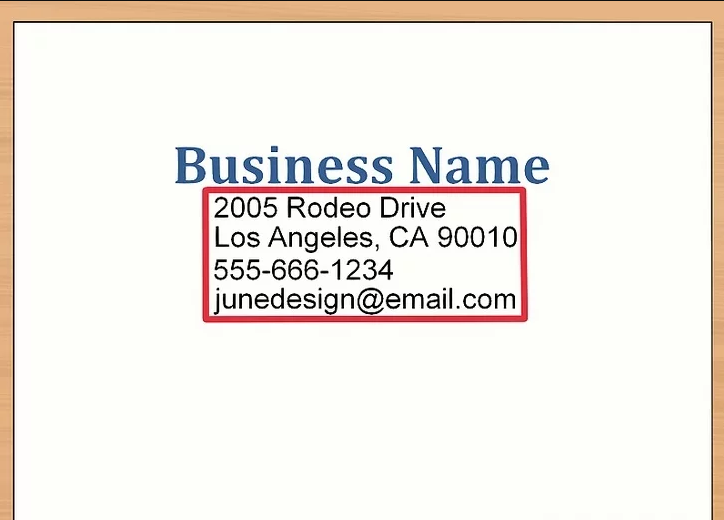
2. Provide your contact information. Type the address where you want to receive payment, your business phone number, and your business email address just under your business name. Your contact information should be centered and written in a smaller font than your business name.

  • If you use your personal phone number and email address as your business phone number and email address, include those.
  • To make your contact information appear more readable, consider typing it on several lines. For example,

3. Consider including your business logo. If you have a logo, include it in the header to the left or right of your business name. If your business name is part of your business logo, you can use the logo in place of your name.

  • It is not necessary to include a company logo, though it can help lend your invoice a professional air.
  • If you don’t have a logo and wish to make one, see How to Make a Personal Logo.

Part-2 Including Recipient and Invoice Information
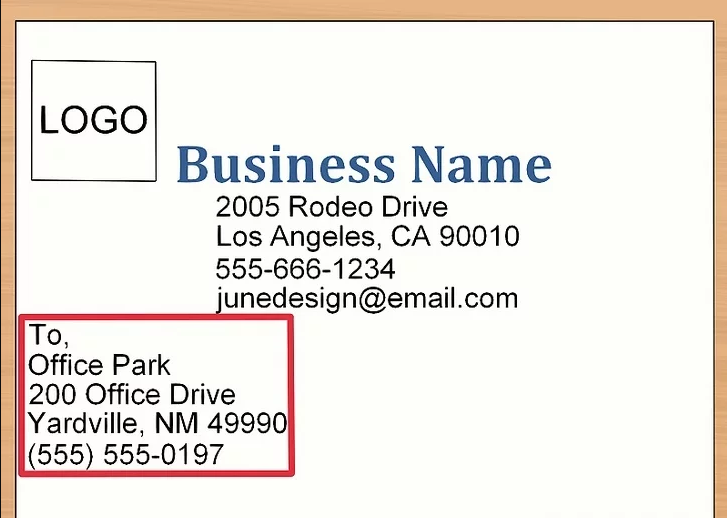
  1. Write the recipient’s contact information. The name, address and phone number of the business you are invoicing should appear on the left side of the invoice, below the header.

  • If you are invoicing a person, rather than a business, include that person’s name and the address and phone number you have on file for that person.
  • If you don’t have an address and phone number for the business or person you are invoicing, include an email address instead.
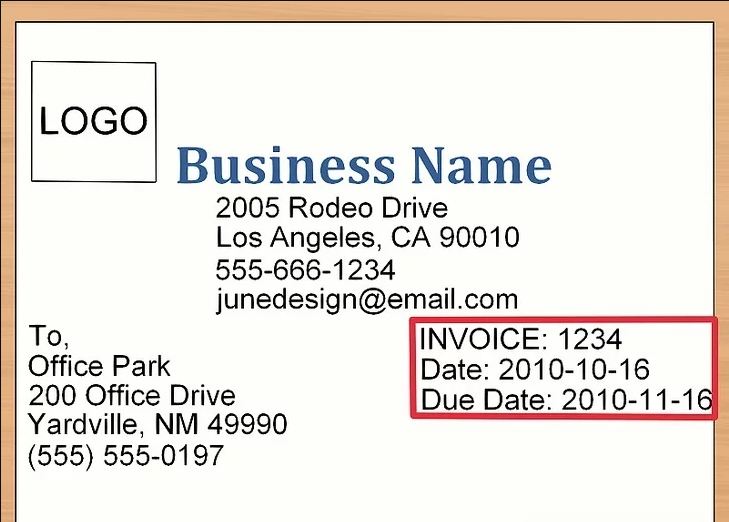
2. Write the invoice number and other invoice information. On the right side of the page, across from the recipient’s contact information, include the details of your invoice. Write the following information on separate lines on the right side of the page:

  • The invoice number. Type INVOICE: followed by the number. Since you are the one sending the invoice, you may choose the numbering system that works best for you. You can number your invoices numerically (1, 2, 3, 4) or by date (for example, 2010-10-16, for the year, month and day of the invoice). If you choose the latter, you can add “-01” to the end to differentiate between invoices sent on the same day. In any case, make sure you number your invoices in sequential order so you don’t confuse yourself.
  • The invoice date. Even if you choose to number your invoice by date, you should clearly write the date on a separate line.
  • The invoice due date. If you have an agreement with the business you are invoicing about when you can expect to get paid, write that date as the due date. If you don’t have an agreement, figure out the standard pay-by period in your industry; in most cases, it’s 30 to 45 days.
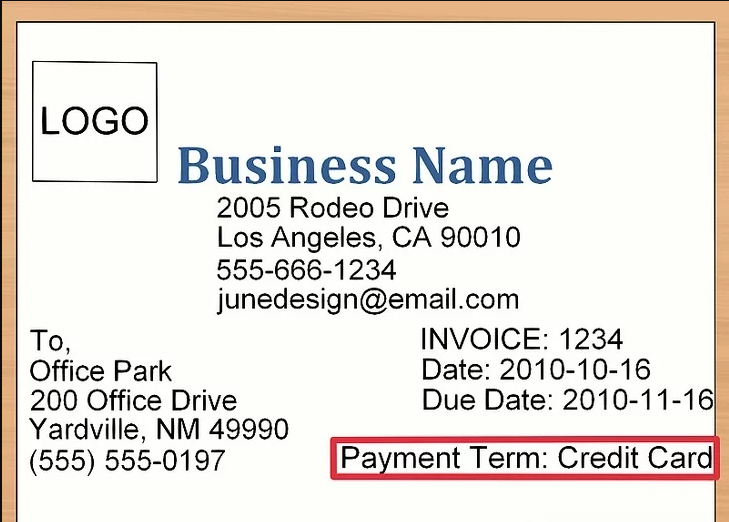
3. Specify your payment terms. Under the invoice information, note whether you will take cash, checks, credit cards, PayPal or some other form of payment.

  • If you charge a late fee, quickly outline this as well, if you haven’t outlined it somewhere else already, like in a contract.
  • Include your tax identification number, if applicable. Laws vary by municipality, so be sure you know your local tax code if you are to collect sales tax or some other usage tax, like the hotel tax.

Part-3 Itemizing the Services Rendered
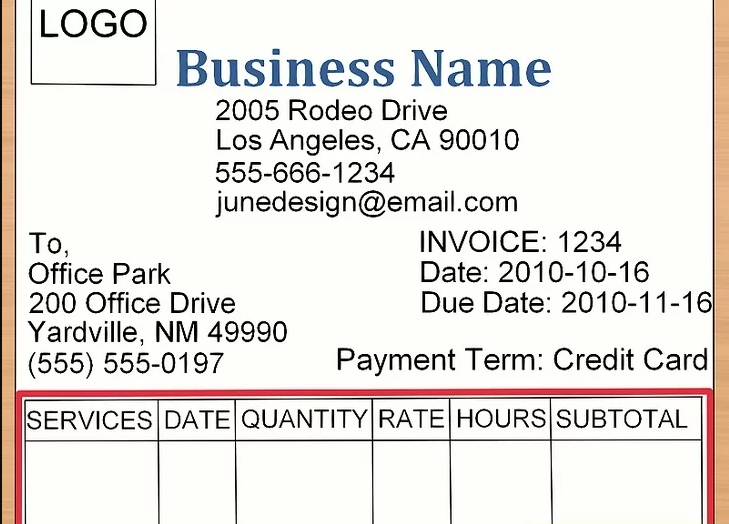
  1. Make a chart to itemize the services. If you’re using word processing software, create a table in which you will list the different services you performed for your client, or the items that were purchased from you for which you are requesting payment. Your chart should contain the following components:

  • 5 columns with the following headings:
    • Services. This is where you list the task you performed, such as copyediting, or the item that was purchased from you, such as handmade jewelry.
    • Date. Write the date the service was performed or the item was purchased.
    • Quantity. Write how many pages you copyedited, how many pieces of jewelry were purchased, etc.
    • Rate: Write the rate you are charging for the services or items. If you charge by the hour, write the rate as $00.00/hr.
    • Hours. If you charge by the hour, write how many hours were spent performing the service.
    • Subtotal. Write the total amount you are charging for the service performed.
  • One row for every separate service performed for the client, followed by a final row reserved for the total amount you are charging the client for all services.
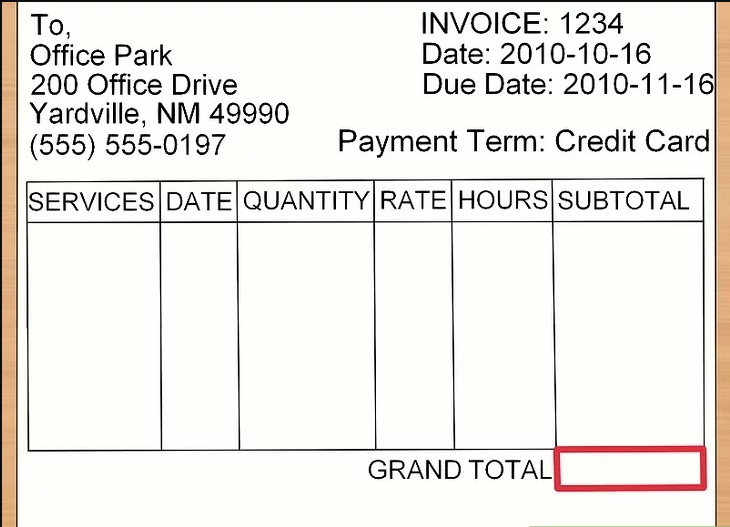
2. Calculate the total. Subtotal the amount due and add any sales tax, delivery fees or other fees and to calculate the grand total. Use bolding or highlighting to make the total stand out from the rest of the numbers.
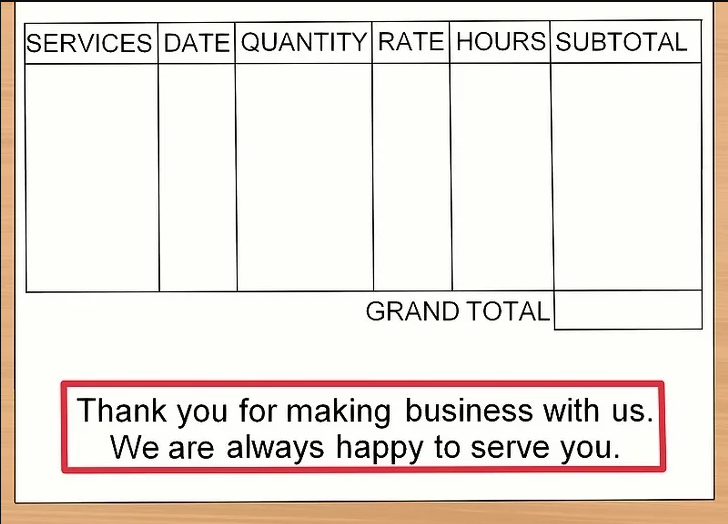
3. Provide additional information. If you are invoicing a customer who has purchased items for you, describe your return policy. You may also want to thank the customer for their business and offer other products or services at the bottom of the invoice. This is the last thing customers see, so in the interest of good relations, try to be kind and appreciative.


How to make an invoice that will get you paid

Find out how to make an invoice that will be accepted by your most fussy customers. This guide takes you through the basics of raising an invoice and putting all the right information on it.

The etiquette of raising an invoice

Make sure your customer is expecting your bill. If it comes out of nowhere, they may be slow to approve it, or even annoyed. Explain your process before you supply anything, so they know when to expect your bill. If you don’t have an agreement in place, at least tell them when an invoice is about to be sent.

What information goes on an invoice

  • Information about you
    Your name, address and contact details. Freelancers can use a personal name, otherwise use your business name. You can also quote your business number and, if GST registered, include those details.
  • Information about the customer
    Add the customer’s name and contact details. If it’s an organisation, confirm their legal name. It could be different from the brand name you’re familiar with.
  • Details about what was sold
    List the products you supplied, their prices, and the quantities of each. Or list services, with professional fees against each.
  • The cost
    Total all your charges, making sure to apply any discounts you’ve offered. Add GST at the end, if you’re GST registered.
  • The customer reference
    If your customer has given you a reference or purchase order number, include it. This will increase your chance of being paid promptly.
  • Instruction on when and how to pay
    State when the invoice is due, and be clear if there are late fees (or on-time discounts). Tell them which types of payment you’ll accept and give the information they need to make those payments, such as a bank account number or a link to online payment. 

How to create an invoice number

An invoice number can be anything – and can include letters – as long as none of your invoices have the same number. You can simply number them sequentially – INV-001, INV-002, INV-003, and so on.

If you want your invoice number to be more informative, you could:

  • give each customer a separate code (Vandelay Industries becomes VAN)
  • create a job number for each project (001 for cleaning their sales offices and 002 for cleaning the factory offices, for example)
  • include the invoice date (using the yyyy-mm-dd format will make it easier to group jobs this way)

So for cleaning the factory offices on January 21, 2018, you’d make an invoice with the number VAN002 – 20180121.

Invoice details – how much is too much?

Always provide a description of the goods or services supplied, so the customer knows what they’re paying for. But don’t add so much detail that it slows down your invoicing process. Here are some guidelines to help you make an invoice that’s straightforward:

  • Use language from your original quote so the customer can see you’re delivering on your promise.
  • Be as concise as possible. You can keep a more detailed record of the work in a private diary, but don’t put it into the invoice unless you’re asked for it.
  • If a customer requests a lot of detail, add it as an attachment. Keep the invoice itself to one page if you can.

Now you know how to make an invoice

  1. Open your invoice template
  2. Create an invoice number and add the date
  3. Fill out information about you, the customer, and the goods or services
  4. Total the costs and double check your maths
  5. Send the invoice
  6. File a copy for your tax records

Invoice format tips for beginners

Sending clear and complete invoices ensures you look professional, and helps you get paid on time. Here are the dos and don’ts of invoice formatting.

Basic invoice format – what goes where

Your customer has just opened your invoice. Here are the 7 things they should see – going from the top of the page to the bottom:

  1. Your details
    Your name and contact details are required. If you’re GST registered, include that number too. And add your business number, if you have one.
  2. Their details
    Identify the person or organisation that you’re billing, and include their physical or email address.
  3. Invoice number and date
    Make this big and bold. If you call about an invoice and quote the number, it should be easy for your customer to pick it from a pile.
  4. Description of goods or services
    List the products or services supplied. Put costs against each item so customers can see how the bill breaks down.
  5. What the customer owes
    Most people want to see the cost before anything else so bold it. Make sure you’ve applied any discounts and added tax, if you’re GST registered.
  6. Customer reference
    If your customer has given you a reference or purchase order number, include it. This will increase your chance of being paid promptly.
  7. How to pay
    Tell them when the money is due and how they can get it to you. Include links for credit card payment, for example, or account details for bank transfers.

Use our free invoice template

Templates will help you get your invoice format right, because all the fields are preset. You just have to open it up and fill it out.

You can give yourself a head start by setting up templates for specific types of jobs, or certain customers – with a lot of the details already filled out.

Bonus tips to save hassles

  • Include a foolproof set of instructions telling customers how to pay.
  • Put the invoice number in the file name and email subject line so it’s easier to search.
  • Convert your invoice to a PDF (or send an online invoice) so it’s harder for frauds to interfere with it.

Keep your invoices simple (and short)

Limit your invoice to a single page, if you can. It’ll be easier for your customer’s office staff to process.

There will be times – hopefully a lot of times – when you’re invoicing a really big sale. If you can’t fit it all on one page, provide a summary on page 1 and add details to subsequent pages.

After you’ve got invoice formats nailed

After you’ve been in business for a while, and you’ve got your invoice formats straightened out, you’ll want to speed things up. Smart invoice templates can do things like remember your prices, total costs and add taxes for you.

How to send an invoice (and what to do if it’s ignored)

Find out when and how to send an invoice, and what to say in the covering email. We also give you ideas for how to handle customers that don’t pay.

Before you send an invoice

You don’t want anything about your invoice to be a surprise to your customer. Just as you discuss pricing before reaching a deal, you should also chat about billing. Set out payment terms explaining when you’ll invoice (weekly, monthly, or when the job’s done), and how long they’ll have to pay. A customer should know when they’ll need to part with their cash.

How to invoice

Open an invoice template, date it, add an invoice number and put in details about:

  • you and your customer
  • the goods and services sold
  • the costs (including any taxes you’re expected to collect)

Finish with clear instructions on when and how to pay.

When to send an invoice

It’s common to send invoices when orders have been filled, or tasks are completed. If you’re working on a big project, you might send interim invoices for the work done to date. And if you’ve sold a subscription, or you’re on a retainer, you’ll send a recurring invoice at regular intervals.

Think about your cash flow when you create a billing schedule. If you send all your invoices on the same day every month – and they get paid around the same time – then your bank balance will be full of ups and downs. If the downs stress you out, consider spreading your invoicing over the month.

Do invoicing weekly rather than monthly. Or, if you do odd jobs, send invoices as soon as the work’s done. And if you’re billing monthly for regular work, consider using software to automatically send your invoices so you don’t have to worry about forgetting.

Three tips for sending your invoice

Unless there’s a really good reason to send your invoice by post, go with email. It will arrive much faster, it can’t really be lost, and email addresses are simpler to get right. Just double-check you’re sending it to the right contact, and take these precautions:

  1. Call after you’ve sent your first bill
    Check they got your invoice and they understand what it’s for. This simple follow-up will show them you’re serious about invoicing.
  2. Send your invoice in an un-editable format
    Frauds have intercepted emailed invoices and added their bank account to the payment details. It’ll be harder for them to do that if you send an online invoice, or PDF invoice.
  3. Take your billing completely online
    You can post your invoice securely online and send your customer a link. These online invoices allow your customer to pay straight away via a credit card, debit card, or an automated clearing house (ACH).

How to write an invoice email

The most important part of your invoice email is the subject line. You might be able to speed up the payment process by quoting a purchase order number, for example. Ask your customer’s accounts payable department how they’d like you to set out the email title.   

You don’t need an elaborate message in the body of the email. Stick with something simple, like: 
Here’s [invoice number], from [business name], which is due on [date]. Thanks so much for your business.

There will be a more detailed description of the goods or services on the invoice itself.

Overdue payment reminder email (or call)

Now you know how to send an invoice, but what if it goes past due? Almost half do, which means you’ll need to prompt your customer. Be polite but act quickly if you don’t want bad habits to form.

You can even email them before they’re overdue with a message like:
Please remember that [invoice number] is due tomorrow. You should have everything you need to process it, but let me know if any questions come up.

If they’ve already gone past due, act quickly with a message like:
[Invoice number] was due yesterday but we don’t have any record of payment. Please let me know when we can expect it.

Or you could make a phone call.
It can be awkward for you, but it’s awkward for them too. That’s why it works. You don’t need to say a lot. Tell them what invoice is late and let them do the talking. Don’t speak to fill the silence.

The gentle reminder email you don’t have to send

For many businesses, following up invoices can be soul-crushing work. You can remove yourself from the equation by using an online invoicing system. The software keeps a list of all your invoices and watches your bank deposits for matching payments. When an invoice is still unpaid on its due date, the software will automatically send a pre-written email reminding the customer they owe you. You’ll only need to get involved with cases where reminders have been ignored.

The last word on how to send an invoice

When sending invoices, timing is critical. You can’t get paid until the customer has the bill. Send your invoice and put the ball into their court as soon as you can.

7 basic invoicing questions you were afraid to ask

Want to know more about invoicing? Like what to put on them? Or what type you should send? Or what invoice accounting is? Here are your answers.

1. What is an invoice?

An invoice is a request for payment. It lists the goods or services you’ve supplied, and shows what your customer owes in return.

Your invoices are also tax documents. You’re required to keep copies to show what revenue you earned and – if you’re GST registered – evidence of the tax you have collected for the government.

2. What are the different types of invoice?

Invoices come in many varieties, each with their own name. Here are some of the more common.

  • Sales invoice
    If you send an invoice, then it’s a sales invoice (if you receive it, it’s a purchase invoice).
  • Tax invoice
    Invoices that include GST may also be called tax invoices. GST-registered businesses send tax invoices.
  • Past due invoice
    When an invoice hasn’t been paid, some businesses will resend it with an overdue stamp on it.
  • Interim invoice
    If you require progress payments on a big piece of work, you could send an interim invoice. They’re usually issued monthly, and charge for the work done during that period.
  • Final invoice
    The last in a series of interim invoices, a final invoice signals that the work is complete and that no other invoices will follow.
  • Recurring invoice
    If you charge your customer the same amount every time, you can just send a recurring invoice. These are great for subscriptions or leases.
  • Pro forma invoice
    A pro forma invoice shows items and costs, but they’re not a legal record of a sale. They’re usually used as price quotes, and to identify the value of items in a shipment. These are typically used to calculate the customs on imports before a deal is finalised.
  • Commercial invoice
    While the prices on a pro forma invoice can change at any time, a commercial invoice is legally binding. If you issue one of these, you can’t change the price until the invoice has expired. 
  • Credit memo or credit note
    A credit note reverses a charge from a previous invoice. They’re issued when goods are returned or when a customer was overcharged.

3. What to put on an invoice

An invoice needs to identify the buyer and seller, the goods or services they exchanged, and the costs charged. It should also carry the date of issue, and a number (or code) that distinguishes it from all your other sales invoices.

4. When does an invoice get paid?

In theory, an invoice gets paid when you say it’s due. In reality, about half will be late. Finances can get really tight while you’re waiting. To keep those cash droughts to a minimum:

  • Give customers less time to pay (just 7 days is getting more common).
  • Get payment terms signed off before supplying anything.
  • If the work’s done, send the invoice. Don’t wait till the end of the month.
  • Make sure you know which invoices have been paid and which haven’t. Follow up overdue accounts immediately.

5. What is invoice accounting?

Most invoices get paid. Some – hopefully very few – don’t. In either case, there are credits and debits to enter into your business accounts. A bookkeeper or accountant can help you get this right. And if you send invoices on accounting software, a lot of the book entries are done automatically.

6. What is invoice reconciliation?

Invoice reconciliation tells you which invoices have been paid and which haven’t. You do it by checking bank deposits for customer payments, and matching those payments to specific invoices. When an invoice is settled, you take it off your watchlist.

If an unpaid invoice goes past due, you should follow up the customer to chase payment. Invoice reconciliation can be painstaking but, as with invoice accounting, you can automate the process.

7. Is invoicing and accounts receivable the same thing?

Yes, invoicing and accounts receivable are essentially the same. They’re all about keeping track of what you’re owed. Some people think of invoicing simply as sending bills, but it’s much more than that. It’s a process that begins when you agree payment terms with a customer, and only finishes when they pay you. There can be a lot of steps along the way.

7+ Retail Invoice Templates

When you are in the business of selling perishable and market goods to customers or companies, you need a sale invoice to have all the transactions made as an official document, to have a record of sales and for income audit. By searching at the website, you can look at Standard Invoice Template and search under this category the vast samples of retail and market invoice samples that are suitable for your business. This can be articulate in Microsoft Word or Excel format.

Sample Retail Invoice Template PDF Format


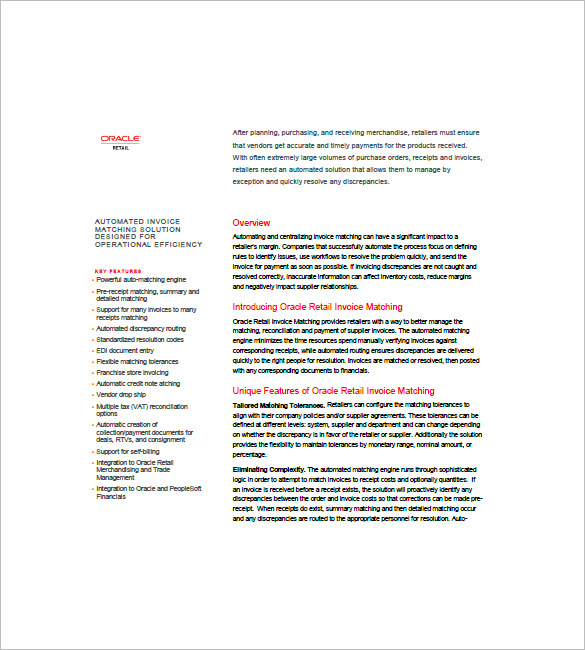
The retail invoice sample template is a comprehensive retail invoice template that provides an overview on the invoice, introduces the oracle retail invoice matching and cites the unique feature of oracle retail invoice matching.

DOWNLOAD

Free Invoice Template Word

DOWNLOAD

Blank PDF Retail Invoice Form

The retail invoice forms template is a simple invoice template that stores the product description, the unit price, the value, tax rate and the amount of tax in addition to the details of the company and the customer.

DOWNLOAD

PDF Retail Invoice Template Example

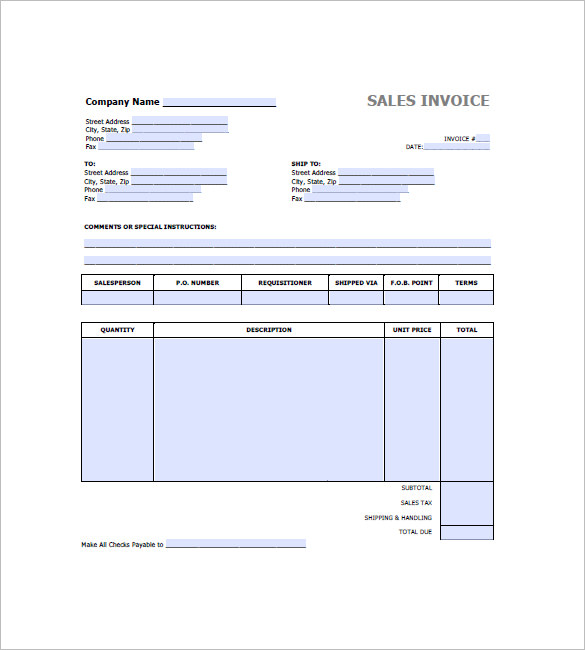
The sample retail invoice template follows a generic structure that store information on the product, the GST, the PST, the invoice total. It also includes a comment section in addition to the company and customer details.

DOWNLOAD

Retail Invoice Template Free Download

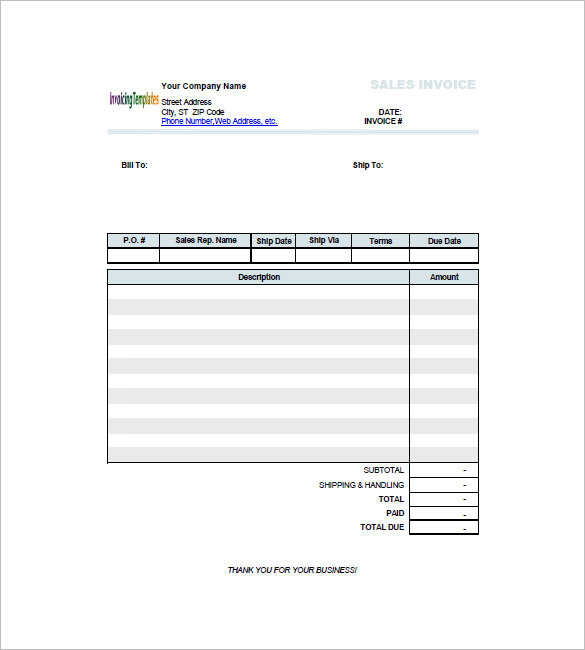
The retail invoice template provides ample space to store the description of the products purchased by the customer and the total amount. It includes details on the sales representative and the shipping details.

DOWNLOAD

Printable Retail Invoice Template

DOWNLOAD

Retail Sales Invoice Template

DOWNLOAD

You can have your own Invoice Template, just download the selected sample online and you can change the layout and designs for your convenience. Changes in the font size and styles can be selected in the templates feature which you can make.

9 steps to an awesome invoicing process

You need billing to be fast and accurate. Because the sooner invoices go out the door, the sooner you get paid. These 9 suggestions could make your billing better.

1. Set a billing schedule

It’s tempting to give preference to paid work and put invoicing off. But no work is paid without invoicing, so make it a priority. Pick a day and time of the week to get it done, then lock it into your schedule. If you’re just too busy, great, hire a bookkeeper to help.

2. Invoice more often, get paid more often

Invoicing can be such a chore that a lot of businesses only do it once a month. And that doesn’t make sense because invoices are paid late. When you’re slow sending them, and your customers are slow paying them – it’s a bad combination.

Consider billing weekly. Or, if you do lots of odd jobs, send invoices as soon as the work is done. It prevents a backlog from forming, and it gets your customers on the clock sooner. Money should start flowing into your business more consistently, rather than in fits and starts.

3. Connect quotes and invoices

It’s a good idea to get quotes signed off before starting work. Use descriptions from that agreement in your invoice so customers can see they’re getting what they paid for. It should help avoid misunderstandings or invoice disputes.

4. Use invoice templates to their fullest potential

Many businesses use invoice templates from spreadsheet software. They can save a lot of time if you:

  • save templates (with pre-filled information) for specific types of jobs and customers.
  • build in formulae that total charges and add taxes for you.

Make sure you’re getting the most out of your templates. As you grow, you may eventually move onto a dedicated invoice maker.

5. What could an invoice maker do for you?

Specialist software can speed up the invoicing process by:

  • learning the price of your products and services
  • calculating taxes and automatically preparing paperwork for filing
  • doing daily bank reconciliation to tell you which invoices have (and haven’t) been paid
  • working from your phone, so you can send invoices from anywhere

6. Track time and materials better

Figuring out the time or money you’ve spent on a job can be slow work. If you need to open a diary, refer to old emails, and sift through dozens of receipts to piece everything together, then it’s probably taking too long. You really need one source of truth for time and one for expenses.

Not everyone is good at staying this organised, but there are apps to help:

  • Time-keeping apps allow you to clock in and out of jobs from your phone.
  • Expense apps allow you to photograph a receipt and attach it to a specific job so the information is there when you go to make an invoice.

7. Should you accept online payments?

You can get your money up to 30% sooner just by offering a convenient payment method. There are a lot out there, including debit and credit card, automated clearing houses (ACH) like PayPal, or bank transfer. It costs nothing to set any of them up, although most providers charge a transaction fee.

8. Train your customers to pay on time

When you first bill a new customer, call them to check the invoice has everything they need. It’s a nice courtesy but you’re also taking away excuses for late payment. If they miss the due date, call the very next day. You don’t have to be aggressive. You’re just making sure nothing’s wrong, and signalling that you watch this sort of thing closely. Keep this up over the first few invoices to set expectations.

9. Chase invoices like you really want them

The most important part of the invoicing process happens after you’ve sent the bill. Because no matter how accurate, professional or well-formatted your invoice is – it probably won’t get paid on time. You have to follow up. Remind your customer when the due date is up and, if they still don’t pay, get on the phone. It’s not fun but it’s hugely important.